Over 5,000,000 Pieces Sold Worldwide – Loved by Families Across the Globe
Email: olivia@ykjuyi.com Phone/wechat/whatsapp: +86-18329060573

Author: Site Editor Publish Time: 2026-07-16 Origin: Site


When selecting daily essentials for their babies, new parents are often faced with a dazzling array of options. Facing nursery tools of various materials and functions on the market, how can parents ensure the safety and health of their babies while meeting the convenience of practical use? This requires not only experience but also a scientific selection logic.
Particularly for high-frequency skin-contact products such as baby high chairs and diaper changing pads, the choice of material directly determines the safety ceiling and lifespan of the product. This article will analyze in depth the non-negligible core factors when choosing infant and toddler products from the dimensions of biological safety, ergonomic design, and the application of modern mainstream polyurethane (PU) materials.
A baby's immune system is not yet fully developed, and their skin barrier is about 30% thinner than an adult's. Therefore, material safety is the absolute first principle of product selection.
Any product that may come into contact with a baby's skin or be chewed on by a baby must be kept away from harmful chemical additives. When purchasing, parents need to focus on checking product test reports to ensure they are free of harmful substances such as Bisphenol A (BPA-free), phthalates (plasticizers), and heavy metals.
If the surfaces infants and toddlers contact for prolonged periods have poor breathability or contain irritating residues, they can easily trigger contact dermatitis. High-quality eco-friendly PU (polyurethane) material performs exceptionally well in this regard. Compared with traditional PVC materials, high-quality PU does not rely on volatile plasticizers to maintain its softness. It is not only warm to the touch but also highly hypoallergenic, which safely protects the baby's delicate body.
No matter how good a design is, if it is difficult to clean, it will turn into a disaster for parents when facing unexpected vomiting, urine leaks, or food residues from the baby.
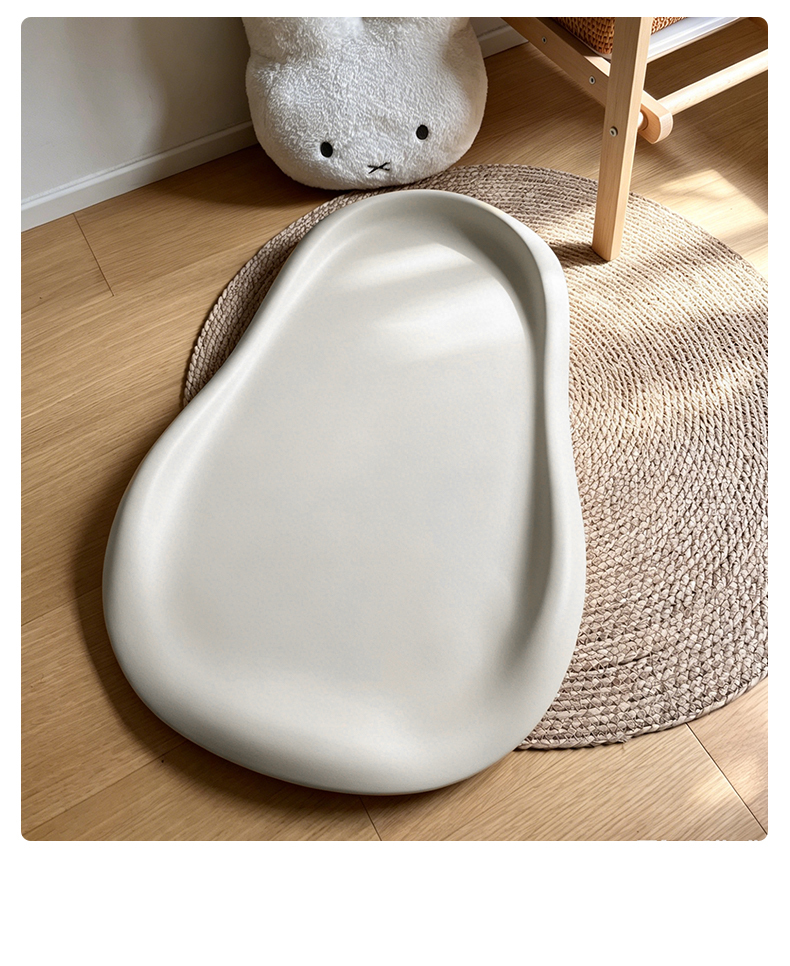
Taking baby diaper changing pads as an example, urine leaks and accidental mess are unavoidable routine scenarios. Choosing changing pads made of integral molded PU foam with a closed-cell structure, or pads with high-performance PU coatings on the surface, can achieve true 100% waterproof performance. Liquids will only stay on the surface and will never penetrate into the inner core foam, fundamentally eliminating the problem of internal mold.
If high-quality baby high chair seat cushions utilize eco-friendly PU leather, they can provide excellent comfort while possessing strong resistance to oil and stains. After a baby finishes a "chaotic" complementary food war, parents do not need to disassemble complex fabric covers to wash them in the washing machine; they only need to wipe gently with a damp cloth to restore cleanliness. This not only greatly reduces the household burden on parents but also effectively inhibits the breeding of bacteria.
Physical safety and growth development support are rigid physical indicators that need to be considered when selecting products.
A baby's spine develops rapidly in the first year, transitioning from a C-shape to the formation of natural physiological curves. For example, when picking high chairs or changing pads, the product must not be overly soft or sagging. A cushion that is too soft will cause the baby's body to sink into it, failing to provide enough support for the spine. Medium-hardness, micro-elastic PU foaming technology can evenly distribute body pressure, safeguarding the baby's unformed skeletal structure.
Physical structural safety is the bottom line for preventing accidental injuries. When choosing a baby high chair, priority should be given to a pyramid-style A-shaped stable structure equipped with a five-point safety harness. For a diaper changing pad, anti-slip grip performance at the bottom and raised safety guardrails on all sides (roll-prevention design) are the core elements. A diaper changing pad utilizing high-density PU integral skin technology can effectively prevent the pad from sliding on the table due to its own weight and surface friction.
To give parents a more intuitive understanding of the pros and cons of mainstream materials on the market, we have conducted a systematic and scientific comparison of several core materials that infants and toddlers come into high-frequency contact with:
Material Type | Safety & Chemical Toxicity Performance | Waterproofing & Cleaning Convenience | Physical Durability & Anti-Aging | Core Application Scenario Examples |
Eco-Friendly PU (Polyurethane) | Extremely High (Free of phthalates, no heavy metal residues, hypoallergenic and skin-friendly) | Excellent (100% waterproof, stain-resistant, wipe-clean with a damp cloth) | High (Abrasion-resistant, scratch-resistant, not easy to peel, long lifespan) | Premium baby high chairs, molded diaper changing pads, play crawling mats |
PVC (Polyvinyl Chloride) | Relatively Low (Traditional processes often contain harmful plasticizers like phthalates) | High (Waterproof and stain-resistant, but prone to pungent chemical odors) | Medium (Tends to harden, crack, and peel over extended periods of time) | Low-end inflatable toys, some cheap waterproof bibs and mats |
Pure Cotton Fabric | High (Naturally skin-friendly, excellent breathability) | Extremely Poor (Highly absorbent of water and oil, requires frequent machine washing) | Medium (Prone to deformation, shrinkage, and pilling after repeated washing) | Baby clothing, swaddle blankets, standard high chair inner liners |
EVA (Ethylene-Vinyl Acetate) | Moderate (Requires strict control over process residues like formamide) | High (Waterproof, possesses a certain degree of cushioning resilience) | Medium (Prone to scratches and bite marks, average tear resistance) | Puzzle play mats, certain stroller sunshade accessories |
In summary, choosing baby products is a comprehensive consideration of "safety," "comfort," and "convenience."
When making an actual purchase, parents are advised to simplify the process and focus on the following three steps:
Check Certifications: Check whether the product has passed domestic and international authoritative safety standards for children's toys and products, such as China's GB standards, the European Union's EN71, or the United States' ASTM.
Select Materials: For products like high chairs and changing pads that need to balance both comfort and cleanliness, give priority to non-toxic, waterproof, and durable eco-friendly PU materials.
Verify Details: Personally feel if the edges of the product have burrs, shake the structure to see if it is stable, and test whether the safety harness buckle is easy for the baby to accidentally open.
By spending rationally and choosing products scientifically, you can utilize high-quality products with better technological and environmental attributes to build the first secure defensive line for your baby's healthy growth.
For more information about PU baby products,please visit our website: www.aibedobaby.com.
Email: olivia@ykjuyi.com
Whatsapp: +86-18329060573


