Over 5,000,000 Pieces Sold Worldwide – Loved by Families Across the Globe
Email: olivia@ykjuyi.com Phone/wechat/whatsapp: +86-18329060573

Author: Site Editor Publish Time: 2026-03-30 Origin: Site


A baby's healthy growth depends on scientific care, and diaper pads, as an important tool for daily care, ensure the baby's comfort and reduce the care burden on parents. Especially for new parents, improper selection and use of baby diaper pads can easily lead to skin problems or inconvenience in care. This article will provide detailed guidance for new parents based on professional knowledge, and introduce how to use PU diaper pads scientifically and safely.
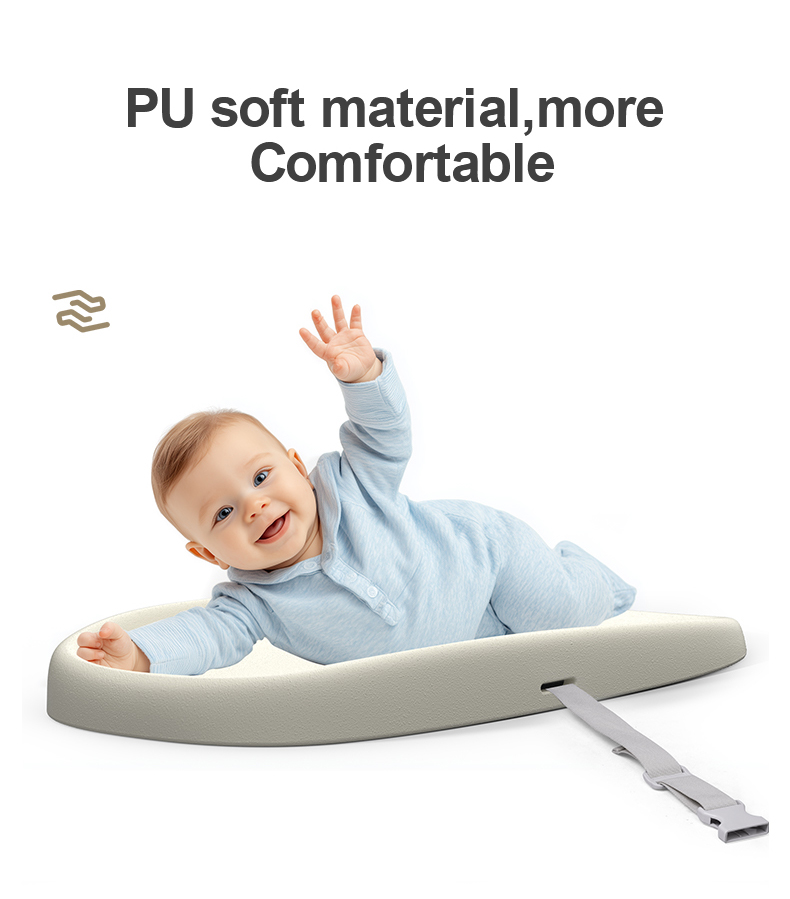
A baby's skin is very delicate and easily irritated. Therefore, the first thing to consider when choosing diaper pads is material safety. There are many types of diaper pad materials on the market, each with its own advantages and disadvantages. Overall, we recommend PU diaper pads. These diaper pads are made of high-quality polyurethane (PU) material, which not only has excellent waterproof performance but is also soft and skin-friendly, and does not irritate the baby's skin. Daily cleaning is simple, effectively reducing the occurrence of diaper rash, making use more reassuring.
The diaper pad should be slightly larger than the baby's body to prevent the baby from getting soaked when rolling over or twisting, coming into contact with the mattress or clothing. New parents can choose based on the baby's age, weight, and usual bedding size. Regarding thickness, too thin and it's prone to leakage; too thick and it may affect changing and carrying. It's recommended to choose a product of moderate thickness, balancing comfort and practicality.
Newborns need diaper changes multiple times a day, so diaper pads should be easy to clean and durable. Traditional cloth diaper pads dry slowly after washing and may become thinner after repeated washing. PU diaper pads, on the other hand, have a smooth surface, are waterproof and urine-proof, and only require wiping with a damp cloth for daily cleaning. They are also less prone to deformation or damage, ensuring long-term effectiveness.
Before using diaper pads, parents should ensure the area where the baby is changing diapers is clean and tidy. The bed or changing table should be disinfected regularly to reduce bacterial growth. PU changing pads can be placed directly on the bed or baby changing table. Their excellent waterproof properties effectively prevent urine from seeping to the bottom, keeping the environment clean and reducing the risk of cross-infection.
New parents should place the changing pad in the center of the bed or changing table, towards the back, to avoid unstable edges that could cause safety issues. Ensure the pad is flat and secure, avoiding wrinkles or slippage. Our PU changing pads usually have a non-slip design on the back and come with a safety strap to effectively prevent the baby from slipping when rolling over, making them safer to use.
While using changing pads, new parents should observe the baby's buttocks, groin, and inner thighs daily. If redness, papules, or broken skin are found, discontinue use immediately and change the diaper or apply a skin cream. Each time you change a diaper, gently wipe with a soft, clean towel to keep the skin dry, and you can apply a diaper rash cream to protect the skin.
Changing pads are essential items that come into prolonged contact with a baby's skin, so keeping them clean and hygienic is crucial. After each use, promptly remove urine and stains to ensure the surface is clean. When washing, avoid using detergents containing strong acids, alkalis, or other irritating chemicals to prevent damage to the material and potential harm to the baby's health. PU changing pads have a smooth, waterproof, and stain-resistant surface, making daily cleaning easier. Simply wipe gently with warm water or a small amount of baby-specific detergent to easily remove stains without irritating the baby's delicate skin, making the cleaning process safe and efficient.
Regular disinfection is recommended for changing pads, regardless of the material, as bacteria can grow with prolonged use, affecting hygiene and safety. It is recommended to thoroughly disinfect them weekly using a baby-specific disinfectant or steam sterilization. After disinfection, dry them promptly by air drying or wiping to prevent mold growth caused by a damp environment. PU changing pads, with their waterproof and antibacterial properties, are easier to clean, but it's still recommended to disinfect them weekly or bi-weekly to ensure hygiene and safety.
Except for cloth changing pads which require moderate sun exposure to keep them dry, most changing pads should be air-dried in a well-ventilated place after washing to avoid prolonged direct sunlight, which can cause material aging or deformation. While PU changing pads are highly abrasion-resistant, prolonged exposure to high temperatures can still affect their material performance and lifespan. Therefore, after washing or disinfecting, PU changing pads should be stored in a cool, ventilated environment, avoiding folding or contact with sharp objects. This will maintain their softness and ensure long-term effectiveness and durability.
When going out, new parents can carry lightweight disposable changing pads as spares, placing them on the stroller or changing table for convenient diaper changes. Using them with disinfectant wipes and a carrying bag can effectively ensure a hygienic environment.
For road trips, we highly recommend using a one-piece molded PU changing mat. It's more versatile, not only preventing direct contact between the baby's skin and the bed or seat, but also providing a stable and comfortable changing space, effectively ensuring safety and hygiene.

When using a changing mat while out and about, parents should constantly monitor their baby's skin condition and diaper moisture. Even when out, diapers should be changed promptly to prevent prolonged contact with a damp environment, thus protecting the baby's delicate skin and ensuring dryness and comfort.
The proper use of changing mats is crucial for new parents. Mastering the correct methods allows parents to easily manage their baby's daily care, enabling the baby to grow up healthy and comfortable. We recommend choosing a safe, breathable, and easy-to-clean PU changing mat, combined with cleaning, disinfection, and anti-slip safety measures. This not only improves care efficiency but also effectively prevents diaper rash and other skin problems. Of course, most importantly, when changing diapers, always ensure the baby is within the parents' sight to avoid leaving them unattended and ensure their safety.For more baby product information and purchase details, please visit our website: www.aibedobaby.com,or contact us at olivia@ykjuyi.com.


