Over 5,000,000 Pieces Sold Worldwide – Loved by Families Across the Globe
Email: olivia@ykjuyi.com Phone/wechat/whatsapp: +86-18329060573

Author: Site Editor Publish Time: 2026-07-27 Origin: Site


Diaper changing is one of the most frequent daily care tasks during a baby’s first years. A suitable changing area can make the process more comfortable, hygienic, and efficient for both babies and caregivers. Two common solutions are the one-piece molded baby changing pad and the traditional changing table.
Although both are designed for diaper changes, they are not exactly the same type of product. A molded changing pad provides a dedicated changing surface, while a traditional changing table is a piece of nursery furniture that usually supports a separate pad. Understanding their differences in structure, materials, cleaning, space requirements, and flexibility can help families, retailers, and baby product brands make a more informed choice.
A one-piece molded baby changing pad is manufactured as an integrated cushioned structure, often using polyurethane foam. Its supporting core, contoured surface, and outer skin are formed together during the molding process.
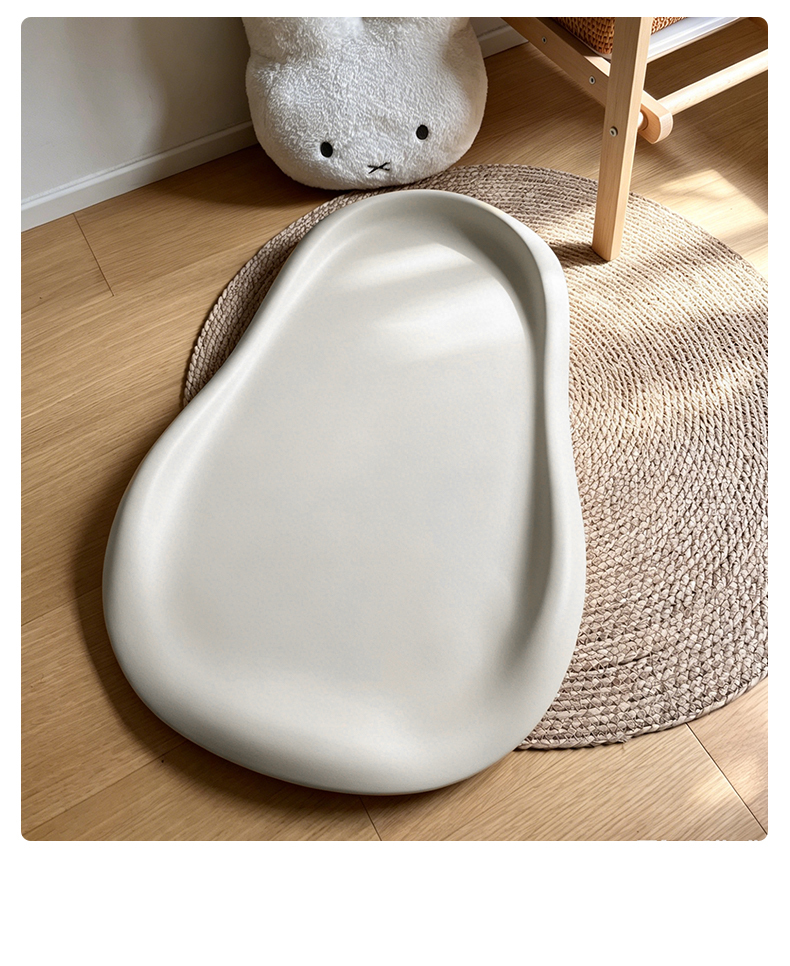
Unlike fabric-covered pads that contain several layers, a molded PU changing pad generally has fewer seams, zippers, and removable textile components. Its surface is designed to resist moisture and can usually be wiped clean after diaper changes.
PU integral foam combines cushioning and surface protection in one molded structure. The material can compress slightly under gentle pressure while still providing sufficient support for the baby’s body.
The exact firmness should be determined through material formulation and product testing. A changing pad should not be so hard that it feels uncomfortable, but it should also not collapse excessively under the baby’s weight.
Many molded changing pads feature raised or contoured sides. These sides help define the changing area and make it easier to position the baby in the center of the pad.
However, raised edges are only a supporting design feature. They do not prevent every fall and should never be treated as a replacement for close adult supervision.
A traditional changing table is a freestanding piece of nursery furniture, usually made from wood, engineered board, metal, or plastic. It normally includes an elevated changing surface and may also provide drawers, shelves, or storage compartments.
Because the table itself is usually firm, parents often place a separate cushioned changing pad on top. Depending on its construction, this pad may use foam filling, a fabric cover, a waterproof coating, or removable components.
A changing table creates a fixed area for diapers, wipes, clothing, creams, and other baby care supplies. This can make daily organization easier, particularly when the family has enough nursery space.
The safety and stability of a traditional changing table depend on the entire structure, including the frame, fasteners, guardrails, changing surface, and pad attachment. Loose components, structural wear, or an incompatible pad may affect safe use.
Comparison | One-Piece Molded Changing Pad | Traditional Changing Table |
Product type | Cushioned changing surface | Freestanding nursery furniture |
Main material | Commonly molded PU foam | Wood, board, metal, or plastic |
Space requirement | Relatively compact | Requires a dedicated floor area |
Portability | Can be moved between suitable surfaces | Usually remains in one location |
Cleaning | Smooth surface can generally be wiped clean | Table and separate pad may require different cleaning methods |
Storage | Usually does not include built-in storage | Often includes shelves or drawers |
Installation | Usually simple, but surface compatibility must be checked | May require assembly and regular fastener inspection |
Customization | Shapes, colors, contours, logos, and functions can be customized | Furniture dimensions, finish, and storage layout can be customized |
Best suited for | Homes, nurseries, travel preparation, and limited spaces | Permanent nursery stations with storage needs |
Diaper changes may involve urine, milk residue, creams, or other contamination. If these substances enter fabric seams, zippers, or internal foam layers, cleaning can become more difficult.
A smooth PU surface is generally water-resistant and can be wiped after use according to the manufacturer’s instructions. Fewer seams also mean fewer narrow gaps where residue can collect.
However, waterproof does not mean self-cleaning or antimicrobial. The pad still needs regular cleaning, and only cleaning agents compatible with the material should be used. Strong solvents, abrasive brushes, and unsuitable disinfectants may damage the surface.
A molded changing pad does not require a complete piece of nursery furniture. Depending on the model and the manufacturer’s instructions, it may be placed on a compatible changing table, dresser, or another stable and properly sized surface.
This makes it useful for smaller homes, shared bedrooms, or nurseries where space is limited. It can also be removed and stored when it is no longer required.
Before placing a changing pad on existing furniture, caregivers should confirm that the surface is stable, level, sufficiently large, and compatible with the pad. The pad should not extend beyond the supporting surface or slide during use.
Because the cushioning structure is molded as one piece, there are no separate internal layers that can easily shift during normal use. A properly designed PU foam pad can distribute pressure across the contact surface while maintaining its intended shape.
Material density, hardness, resilience, and long-term compression performance all influence the final result. For manufacturers, these characteristics need to be controlled during raw material selection, molding, and quality inspection.
Integral molding makes it possible to create smooth contours, rounded edges, neutral colors, and coordinated nursery designs. This is particularly attractive to modern parents who want baby products to match the overall style of the home.
For retailers and private-label brands, molded PU changing pads can also support customized colors, logos, shapes, and selected functional configurations.
A traditional changing table may be more suitable for families that want a permanent, fully organized diaper-changing station. Built-in drawers or shelves keep daily essentials within reach and reduce the need to move supplies between rooms.
The elevated working height may also reduce repeated bending for some caregivers. However, the table height should suit the user, and all necessary supplies should be prepared before placing the baby on the changing surface.
A traditional table may also provide a defined location for a compatible changing pad. Nevertheless, it usually requires more space, may involve assembly, and needs periodic inspection to ensure that fasteners, guardrails, drawers, and supporting components remain secure.
In the United States, changing tables, add-on changing units, changing table accessories, and contoured changing pads are all included within the category of baby changing products. Relevant safety requirements address areas such as stability, structural integrity, barriers, restraint systems, warnings, and instructional information, according to the U.S. Consumer Product Safety Commission.
Regardless of which product is selected, caregivers should follow several basic principles.
A baby can roll, twist, or push with their legs unexpectedly. An adult should remain within reach throughout the entire diaper change. A safety belt or contoured edge does not make it safe to leave a child unattended.
A molded changing pad should only be placed on a surface permitted by the manufacturer. Soft, uneven, damaged, undersized, or unstable surfaces may allow the pad to tilt, move, or fall.
If compatibility is uncertain, caregivers should stop using that setup and consult the product instructions.
Changing pads and changing tables are intended for short periods of supervised diaper care, not for naps or overnight sleep. If a baby falls asleep, the child should be moved to an appropriate sleep product that meets applicable safety requirements.
Stop using the product when the child exceeds the manufacturer’s specified weight, size, age, or developmental limit. Greater mobility, rolling, pulling up, or attempting to climb can change the risks associated with an elevated changing surface.
AIBEDO PU baby changing pads use molded foam construction to provide a supportive, water-resistant, and wipe-clean changing surface. The range includes different sizes and contoured designs for various nursery layouts and market requirements.
Depending on the model, available features include raised sides, standard changing-table compatibility, anti-slip bottoms, restraint configurations, lightweight designs, and multiple color options. For example, some AIBEDO models are designed for standard changing tables and dressers, while others provide enlarged surfaces or additional contouring.
AIBEDO also supports OEM and ODM customization for baby product brands, distributors, and retailers. Product shape, color, logo, packaging, and selected functional details can be developed according to the customer’s target market and project requirements.
A one-piece molded baby changing pad and a traditional changing table serve related but different purposes. The molded pad offers a compact, easy-to-clean, and flexible changing surface, while the traditional changing table provides a permanent furniture-based station with additional storage.
The right choice depends on available space, cleaning preferences, storage needs, product compatibility, and daily care habits. Whichever option is selected, stable placement, correct use, continuous supervision, and compliance with applicable safety requirements should always remain the highest priorities.
Website: www.aibedobaby.com
Email: olivia@ykjuyi.com


